
Table of Contents
- Why Couples Choose to Marry Themselves
- What Is Self-Solemnization?
- Self-Solemnization Laws by State
- Thinking About Eloping Without an Officiant?
- Can You Self-Solemnize in California?
- What States Allow Self-Solemnization? (Quick List)
- Colorado Self-Solemnization
- Self-Solemnizing a Marriage in California
- Pennsylvania Self-Uniting Marriage License
- Washington D.C. Self-Officiating Marriage
- How Self-Solemnization Actually Works (Step-by-Step)
- Do You Need Witnesses for Self-Solemnization?
- Why Couples Love Self-Solemnization
- States That Are a Little More Confusing (And What to Know)
- Best Places to Elope If You Want to Self-Solemnize
- Frequently Asked Questions About Self-Solemnization
- Important Things to Know Before You Decide
Self-solemnization allows couples to get married without an officiant, meaning you can legally marry yourselves. No pastor, no judge, no stranger standing between you, just the two of you signing the paperwork and calling it official.
For couples eloping, this is huge. It means more privacy, more flexibility, and fewer logistics to worry about. What states allow self-solemnization?
Can You Marry Yourself?
Short answer: yes… but only in certain states.
It’s called self-solemnization, and it means you don’t need an officiant to get married. Instead, you and your partner sign your marriage license yourselves.
Not every state allows this, which is where things can get confusing. Some states fully allow it, some have restrictions, and others require an officiant no matter what.
If you’re planning an elopement and don’t love the idea of having someone else lead your ceremony, this is honestly one of the most freeing options. It keeps the moment completely about you two—no scripts, no pressure, no audience unless you want one.
Below, I’ll break down what self-solemnization is, which states allow self-solemnization and what that actually looks like depending on where you’re getting married.
Why Couples Choose to Marry Themselves
Because it keeps the moment completely about them.
No officiant, no script, no pressure—just the two of you getting married in a way that actually feels natural. It’s simple, intentional, and lets you be fully present instead of performing for anyone else.
What Is Self-Solemnization?
Self-solemnization means you can get married without an officiant.
Instead of having someone lead your ceremony, you and your partner sign your marriage license yourselves, making it official. It’s a legal option in certain states and is often used for elopements because it keeps the experience simple, private, and focused on just the two of you.
Not every state allows it, so where you’re getting married matters—but when it is allowed, it gives you complete freedom over how your ceremony looks and feels.
Thinking About Eloping Without an Officiant?
No performance. No pressure. Just the two of you, fully in it.
If this is the part that’s making everything click for you… you’re not alone.
A lot of couples don’t realize they can legally get married without an officiant — and once they do, everything starts to feel a lot more them.
This is something I help couples plan all the time — especially here in California.
From finding a location that actually feels right, to building a timeline that doesn’t feel rushed, to making sure the whole day flows naturally…
it’s never just about the logistics. It’s about how it feels.
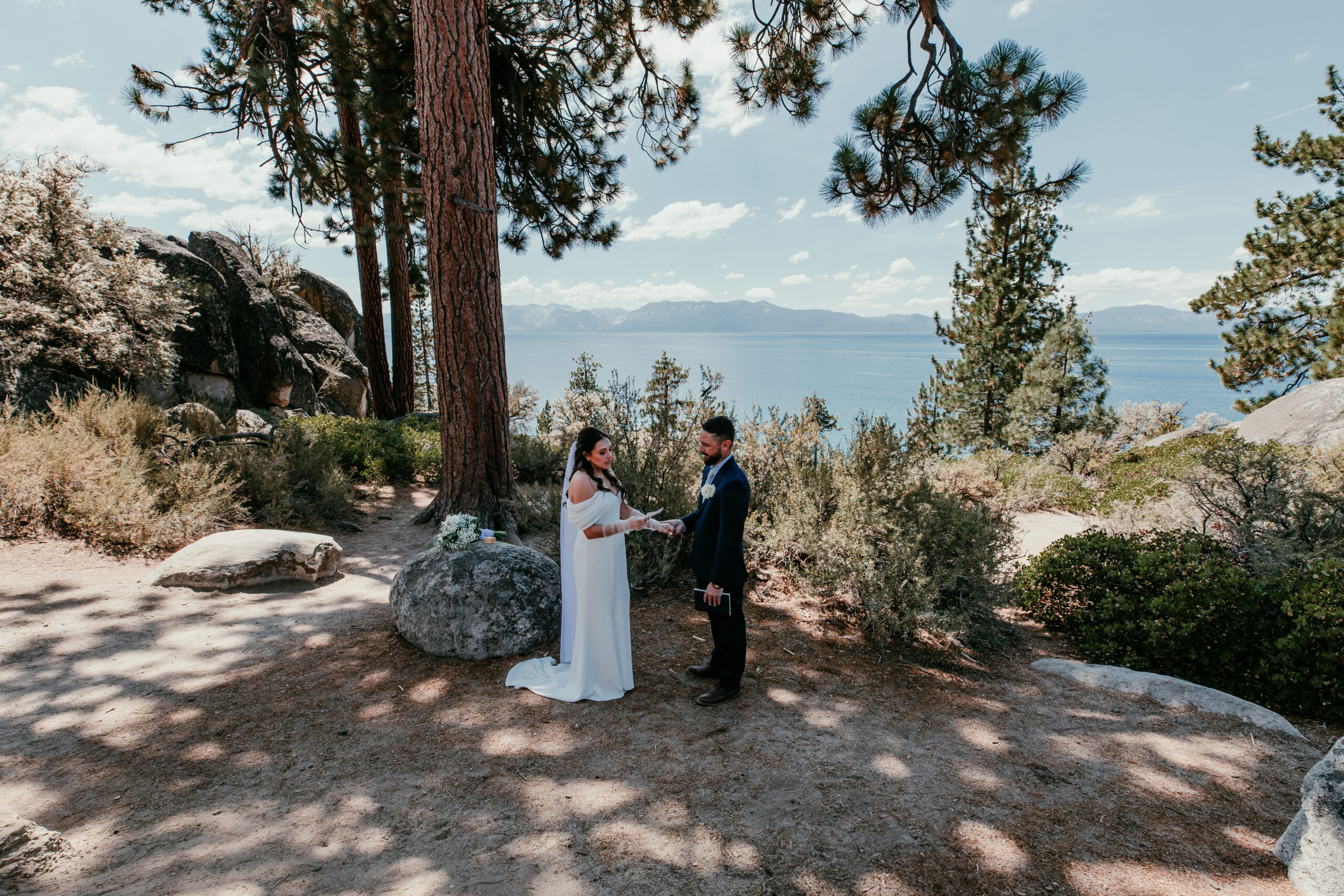
Can You Self-Solemnize in California?
Yes—California allows self-solemnization with a confidential marriage license.
That means you don’t need an officiant or witnesses. You and your partner can sign your license yourselves and keep the moment completely private.
Best Places to Self-Solemnize in California
Each one gives you a completely different kind of experience — it just depends on what feels most like you.
If you’re already picturing what this could look like, these are some of my favorite places to do it:
– Lake Tahoe
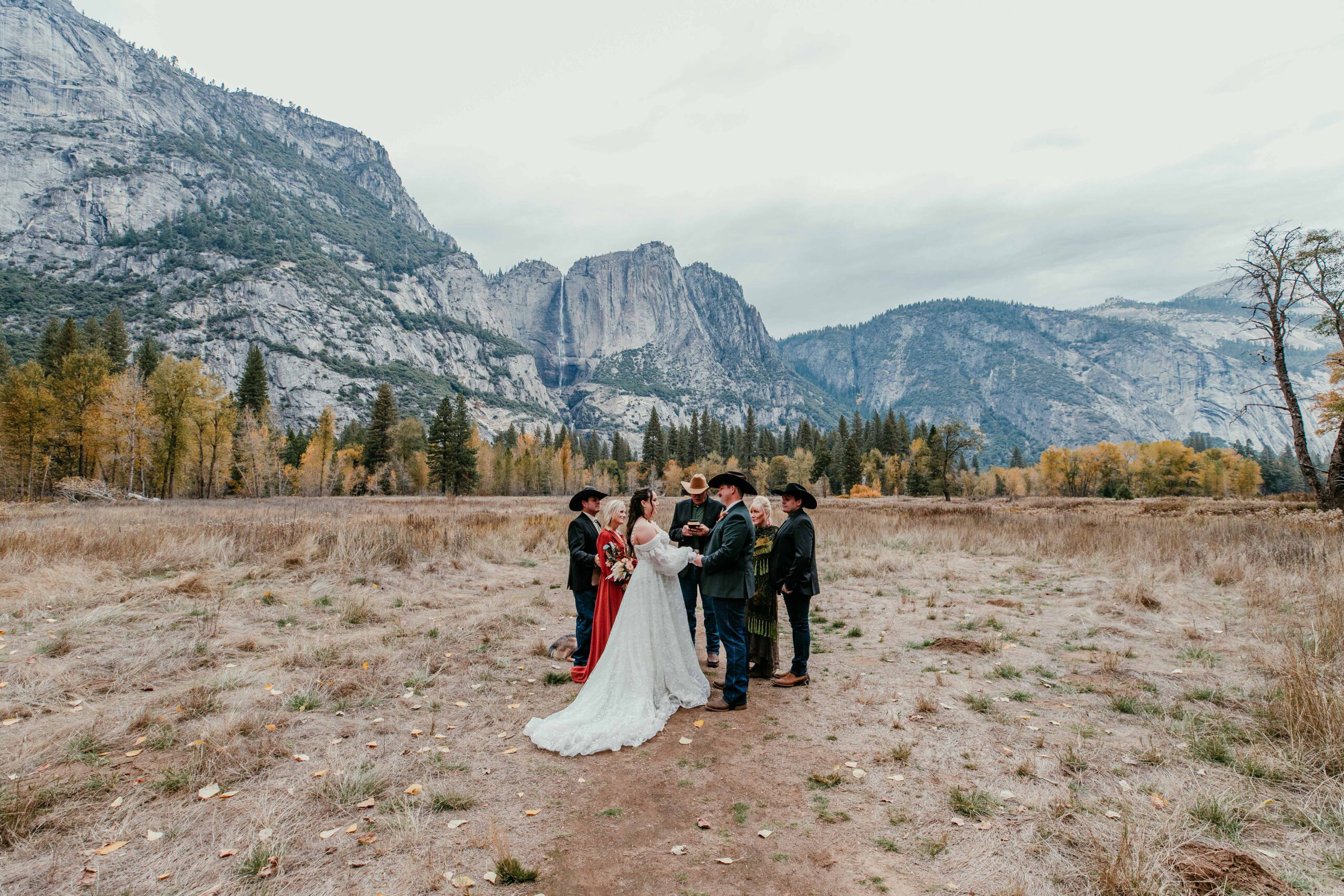
– Yosemite National Park
– San Francisco (City Hall or coastal spots)
If you’re planning to elope in California, you can also read my full guide on how to elope in California here.
What States Allow Self-Solemnization?
These states legally allow couples to marry without an officiant.
States where couples can legally marry themselves without an officiant include:
- Colorado
- Pennsylvania
- Wisconsin
- Illinois
- California (with a confidential marriage license)
- Nevada (limited circumstances)
- Kansas (religious exemption)
- Maine (religious exemption)
- Washington D.C.
Self-solemnization means a couple can legally marry without an officiant, performing their own ceremony and signing their marriage license themselves.
Self-Solemnization Laws by State
| State | Officiant Required | Witnesses Required | Notes |
| Colorado | No | No | Most flexible option |
| Pennsylvania | No | Yes | Self-uniting license |
| Wisconsin | No | Yes | Religious declaration |
| Illinois | No | Sometimes | Religious exemption |
| California | No | Yes | Confidential license option |
| Nevada | No | Yes | Limited situations |
| Kansas | No | Yes | Religious exemption |
| Maine | No | Yes | Religious exemption |
| Washington D.C. | No | No | Simple self-officiating process |
Colorado Self-Solemnization
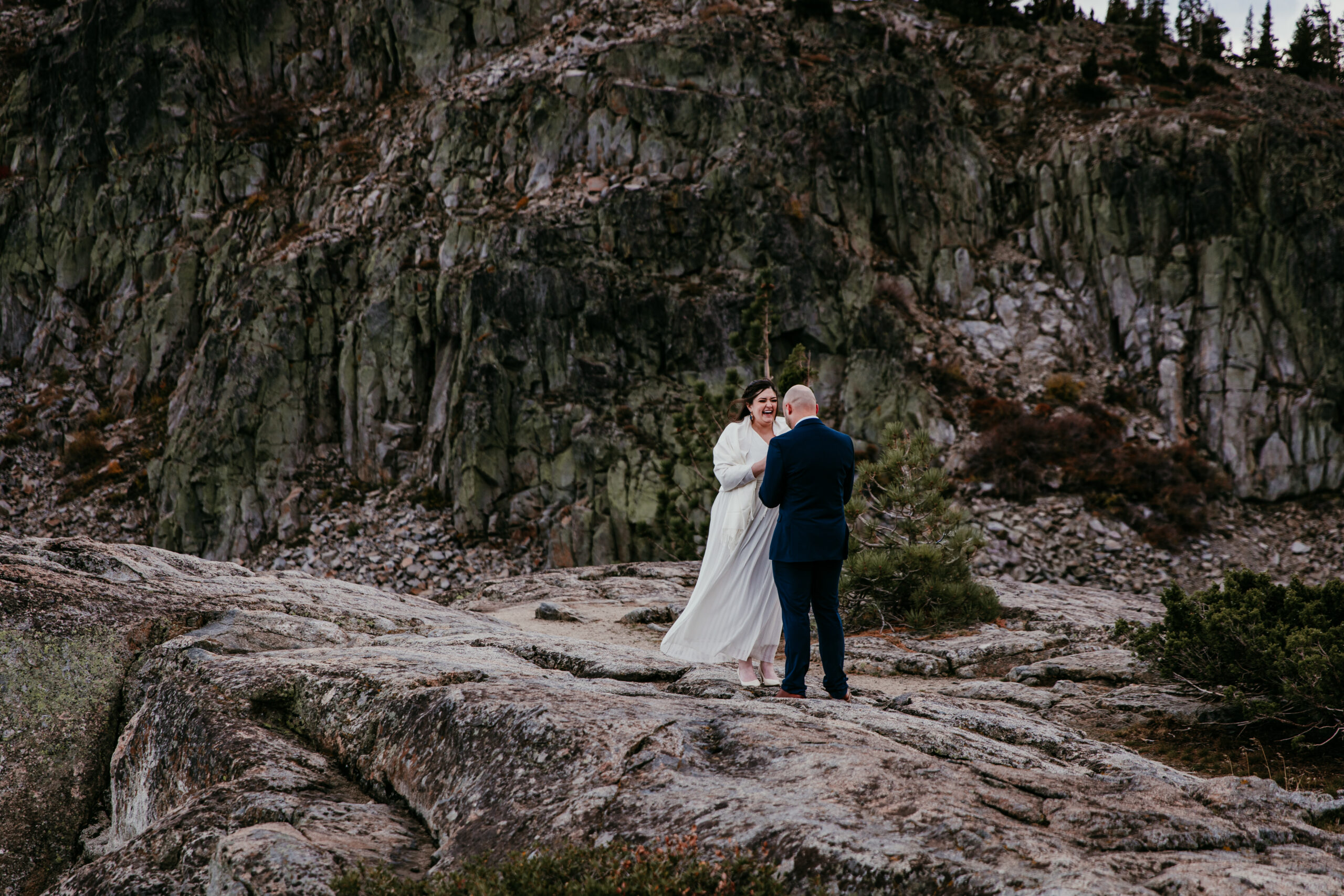
Colorado is one of the easiest places in the United States to self-solemnize a marriage. Couples do not need an officiant or witnesses, which means you can legally exchange vows and sign your marriage license yourselves.
Because of how simple the process is, Colorado has become one of the most popular places for couples planning an intimate elopement.
Self-Solemnizing a Marriage in California
California allows couples to self-solemnize if they apply for a confidential marriage license. This license allows the couple to perform their own ceremony without an officiant.
The confidential license also keeps the marriage record private, which is appealing for couples planning a more intimate elopement experience.
If you’re considering California, you can explore my Yosemite National Park elopement and Lake Tahoe elopement experiences to see what your day could actually look like.
Most of my couples choose California because it gives them both the legal flexibility and the kind of scenery that actually makes the day feel like an experience.
Pennsylvania Self-Uniting Marriage License
Pennsylvania offers something called a self-uniting marriage license. This allows couples to legally marry without an officiant, though witnesses are usually required to sign the license.
Self-uniting licenses originally came from Quaker marriage traditions but are now available to couples of any belief system.
Washington D.C. Self-Officiating Marriage
Washington D.C. allows couples to apply for a self-officiating marriage license, which means you can legally marry yourselves without an officiant or witnesses.
This makes Washington D.C. another popular destination for couples planning an intimate elopement.
How Self-Solemnization Actually Works (Step-by-Step)
Now that you know where self-solemnization is allowed, let’s talk about how it actually works—because it’s way simpler than most couples expect.
If you’re wondering how to self solemnize your marriage, here’s exactly what the process looks like from start to finish.
1. Apply for Your Marriage License
First things first, you’ll need to apply for a marriage license in the state where you plan to elope.
Each state is a little different, but in general:
- You’ll apply through the county clerk’s office
- Some states require an appointment
- You may need to apply in person (or partially online)
If you’re planning to self-solemnize, make sure you’re selecting the correct type of license (for example, in California, you’ll want the non-clergy license option).
2. Have Your Ceremony (Just the Two of You)
This is the part couples love the most.
With self-solemnization, you don’t need an officiant. It can literally just be the two of you, in a place that feels meaningful, exchanging vows however you want.
There are no strict rules for what to say. You can:
- Share personal vows
- Keep it short and simple
- Or just have a quiet moment together
It doesn’t have to feel like a “traditional” ceremony unless you want it to.
3. Sign Your Marriage License
After your ceremony, you’ll sign your marriage license.
Depending on the state:
- You may not need witnesses at all (like in Colorado)
- Some states may still require one or two witnesses
- In certain cases, you’ll sign as both the couple and the officiant
This part is usually quick, but it’s important to double-check your state’s specific requirements so everything is filled out correctly.
4. Return (File) Your License
Once everything is signed, you’ll return your marriage license to the county clerk’s office.
This can usually be done by:
- Or dropping it off in person
After it’s processed, you’ll receive your official marriage certificate.
And that’s it—you’re legally married, without ever needing an officiant.
Do You Need Witnesses for Self-Solemnization?
This depends on the state you’re getting married in.
For example:
- Colorado → No witnesses required
- California → Witnesses may be required depending on the license type
- Pennsylvania → Often requires two witnesses
If you’re planning a completely private elopement, this is something you’ll want to confirm ahead of time.
Why Couples Love This Option
Most couples I work with don’t even realize this is an option at first—but once they do, everything clicks.
Self-solemnization allows you to:
- Skip the pressure of a traditional ceremony
- Keep your day completely private and intentional
- Focus on your experience instead of logistics
It’s one of the easiest ways to create a day that actually feels like you.
States That Are a Little More Confusing (And What to Know)
Not every state makes self-solemnization super clear. Some allow it in specific situations, while others don’t technically allow it—but still have workarounds that couples use all the time.
If you’re planning your elopement and feeling a little confused, you’re definitely not alone.
Here’s a breakdown of the most commonly misunderstood states:
California (Yes… But With a Specific License)
California does allow self-solemnization—but only if you apply for a non-clergy marriage license.
This is different from a standard public license, and not every county explains it clearly.
A few things to know:
- You’ll need to request the correct license when applying
- Some counties require appointments
- Witness requirements can vary depending on the license type
The good news? Once you have the right license, you can absolutely marry yourselves here.
Nevada (Technically No… But There’s a Simple Workaround)
Nevada does not allow self-solemnization.
But honestly? This is one of the easiest places to work around it.
Most couples simply:
- Hire an officiant for a short, simple ceremony
- Or have someone ordained online to sign the license
It can be as quick as a few minutes, and then you can move right into the rest of your day.
Pennsylvania (Yes, But It’s Called a “Quaker Marriage”)
Pennsylvania allows self-solemnization through something called a Quaker marriage license.
This means:
- You don’t need an officiant
- But you do need two witnesses
It’s a great option if you still want a private ceremony, but don’t mind having a couple of people there.
Other States (When You’ll Need an Officiant)
Most other states in the U.S. require an officiant to legally perform your ceremony.
If you’re set on self-solemnizing, you’ll want to stick with states that clearly allow it—or choose a location where the process is simple and stress-free.
A Quick Tip Before You Decide
Marriage laws can vary not just by state, but sometimes by county too.
If you’re planning to self-solemnize, always double-check:
- The type of license you need
- Whether witnesses are required
- How the license needs to be signed and returned
Real talk: This is one of the biggest things couples get stuck on, but once you understand the rules, it’s actually way easier than it sounds.
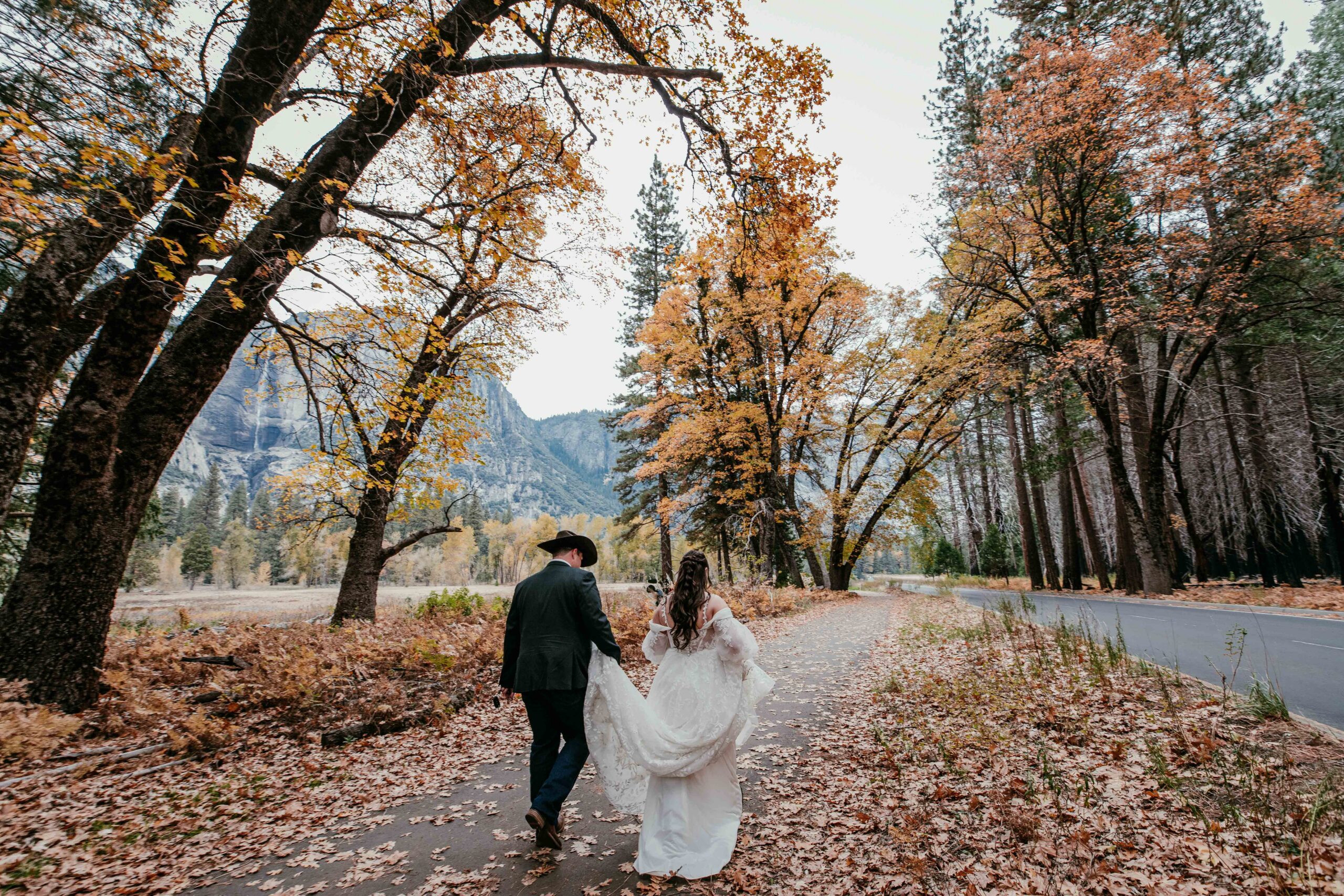
Best Places to Elope If You Want to Self-Solemnize
Once couples realize they can legally marry themselves, the next question is usually… okay, but where should we actually do this?
The best locations for a self-solemnizing elopement aren’t just about what’s allowed—they’re about how the day actually feels.
Here are some of the best places to make it happen:
California — Stunning Locations + So Much Variety
California is one of the most underrated places for self-solemnization.
With the non-clergy marriage license option, you can marry yourselves and still have access to some of the most iconic landscapes in the country.
Think:
- Yosemite National Park
- Lake Tahoe
- Mt. Shasta
- San Francisco
- Coastal cliffs, forests, mountains—all within a few hours
It does take a little more planning than somewhere like Colorado, but if you want a day that feels like an experience (not just a quick ceremony), California is hard to beat.
Colorado — The Easiest + Most Straightforward
If you want something super simple, Colorado is one of the easiest states to elope.
- No officiant required
- No witnesses required
- Minimal restrictions
You can exchange vows, sign your license, and be legally married—all without adding anything extra to your day.
Pennsylvania — A Unique Option With History
Pennsylvania allows self-solemnization through a Quaker marriage license.
- No officiant required
- Two witnesses required
It’s a great option if you want something intimate but still include a couple of people in your ceremony.
Why Location Matters More Than You Think
Where you elope isn’t just about legality—it shapes your entire experience.
Some places are:
- Super easy and low-effort (like Colorado)
- More flexible and scenic with endless options (like California)
The goal isn’t just finding a place where you can self-solemnize—it’s choosing a place that actually feels like you.
A Quick Tip When Choosing Your Location
If you’re trying to decide, think about:
- How private you want your ceremony to feel
- The type of scenery you’re drawn to
- How much planning you want to take on
Some couples want something simple and easy.
Others want to turn their elopement into a full experience—exploring, hiking, catching sunset, making a whole day out of it.
There’s no wrong way to do it.
Most couples I work with start here—trying to figure out where they’re allowed to do this—before realizing they can create something way more meaningful than they expected.
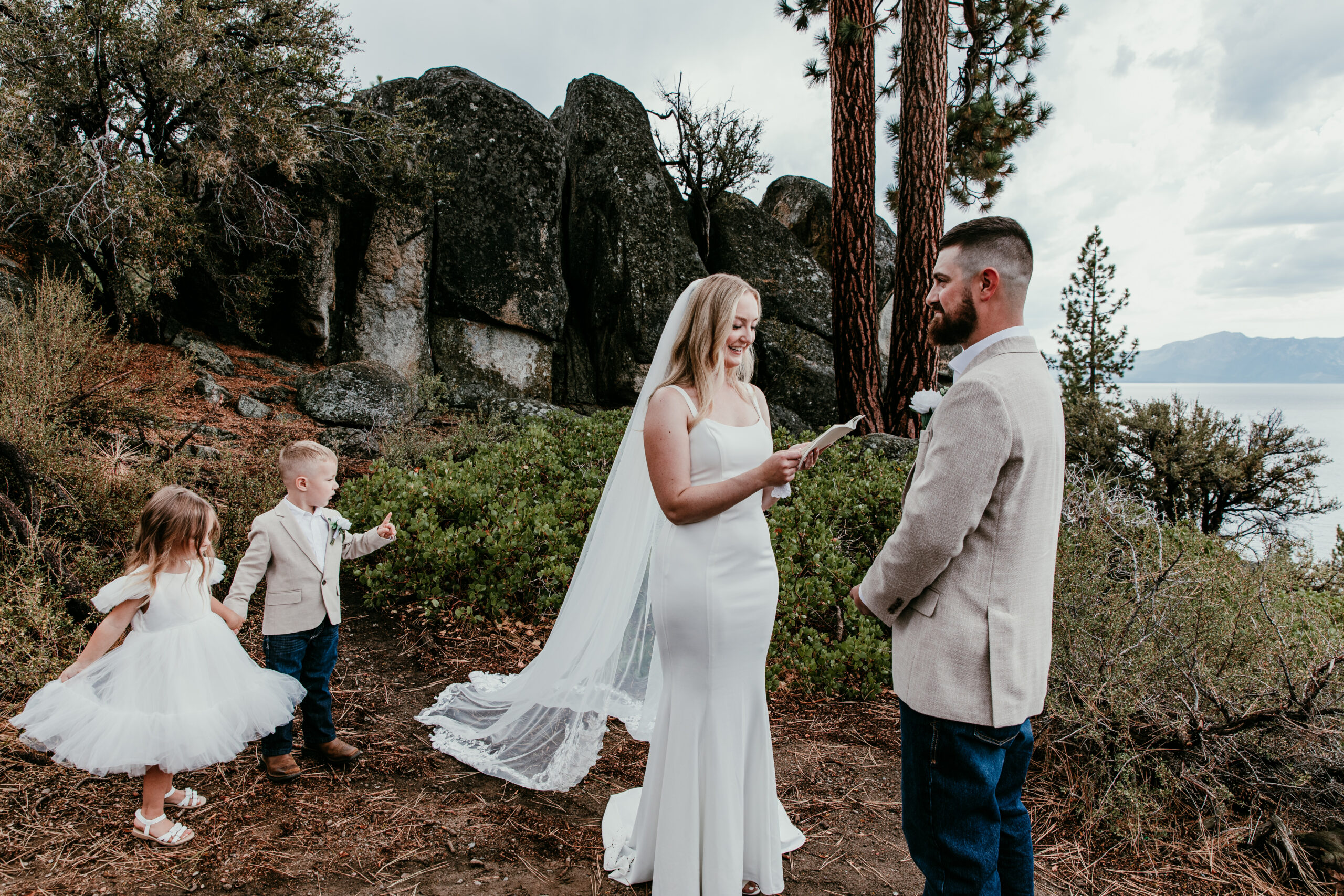
Why Couples Love Self-Solemnizing When Eloping
- Total privacy — no extra people
- More intimate and personal
- Easier logistics for adventure elopements
- Perfect for “just us” ceremonies
- No awkward stranger energy during your vows
It’s especially popular for mountain elopements, sunrise ceremonies, and quiet national park days where keeping things simple matters.
Planning an Elopement Without an Officiant?
If you’re leaning toward self-solemnizing but don’t know where to start, this is exactly what I help my couples with.
From choosing the right location to making sure everything is legally set up correctly, I help you create a day that actually feels easy and intentional.
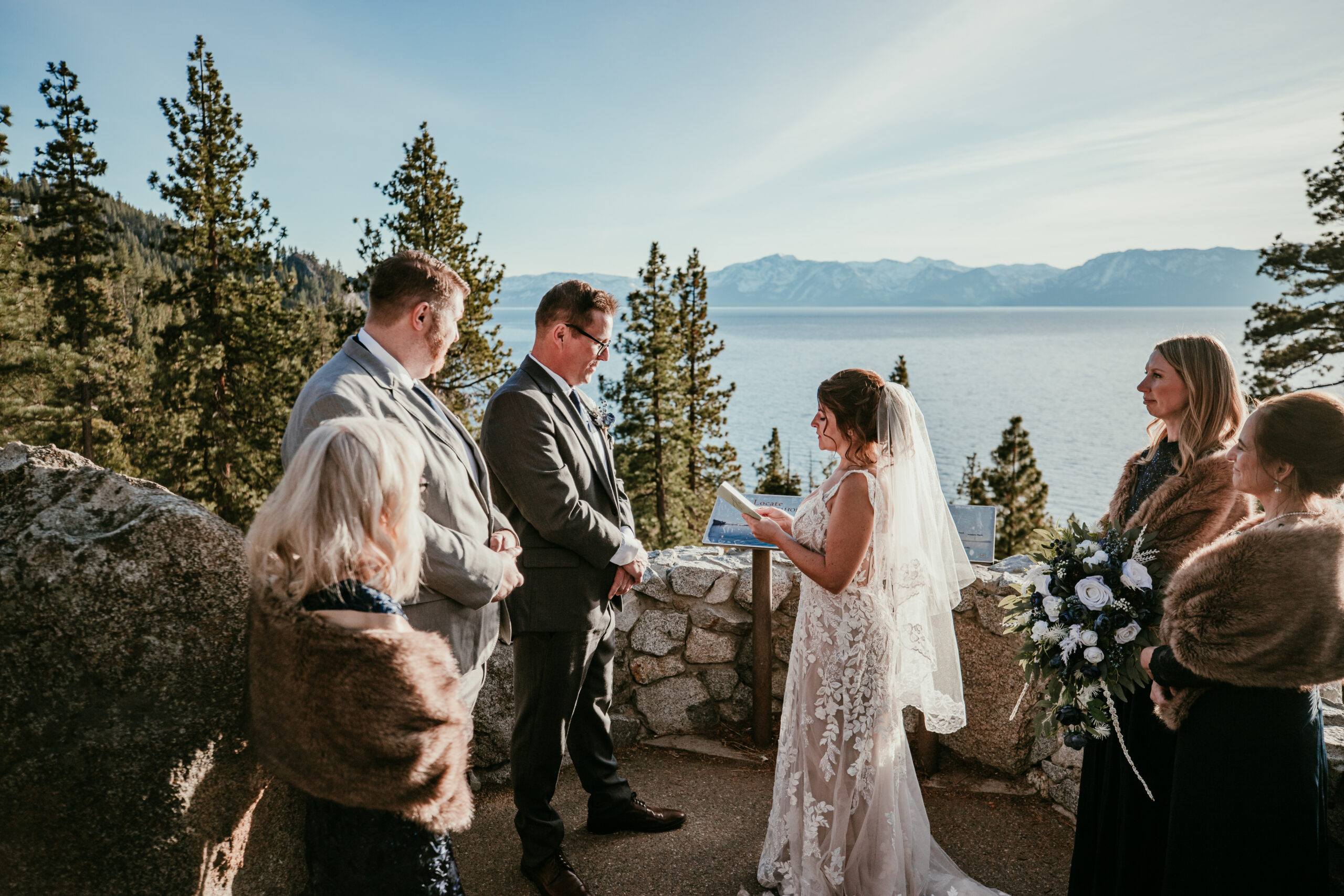
Frequently Asked Questions About Self-Solemnization
How do you self solemnize your marriage?
Short answer:
- File it
- Apply for license
- Exchange vows
- Sign it
Can you marry yourselves without an officiant?
Yes—this is called self-solemnization (or a self-uniting marriage). In certain states, couples can legally get married without an officiant by performing their own ceremony and signing their marriage license themselves.
What is a self-uniting marriage license?
A self-uniting marriage license allows a couple to legally marry without an officiant. Instead of having someone perform the ceremony, the couple signs the license themselves after exchanging vows.
What states allow self-solemnization?
States that allow couples to marry themselves without an officiant include:
- Colorado
- Pennsylvania
- Wisconsin
- Illinois
- California (with a confidential marriage license)
- Washington D.C.
Some additional states allow it under specific religious exemptions. If you’re planning to self-solemnize in California, you can read my guide on how to elope in California.
Is a self-solemnized marriage legal in all states?
Yes. As long as your marriage is legally performed and recorded in the state where it takes place, it is recognized across all U.S. states.
Do you need witnesses for self-solemnization?
It depends on the state.
- Colorado → No witnesses required
- California → Witnesses may be required depending on the license type
- Pennsylvania → Typically requires two witnesses
If you’re planning a private elopement, this is something you’ll want to confirm ahead of time.
Can you self solemnize in California?
Yes. California allows self-solemnization if you apply for a confidential (non-clergy) marriage license.
This allows you to marry yourselves without an officiant, though witness requirements can vary depending on the license type and county.
What does it mean to get married without an officiant?
Getting married without an officiant means you and your partner perform your own ceremony instead of having a judge, pastor, or officiant lead it.
This is done through self-solemnization, where you exchange vows and sign your marriage license yourselves.
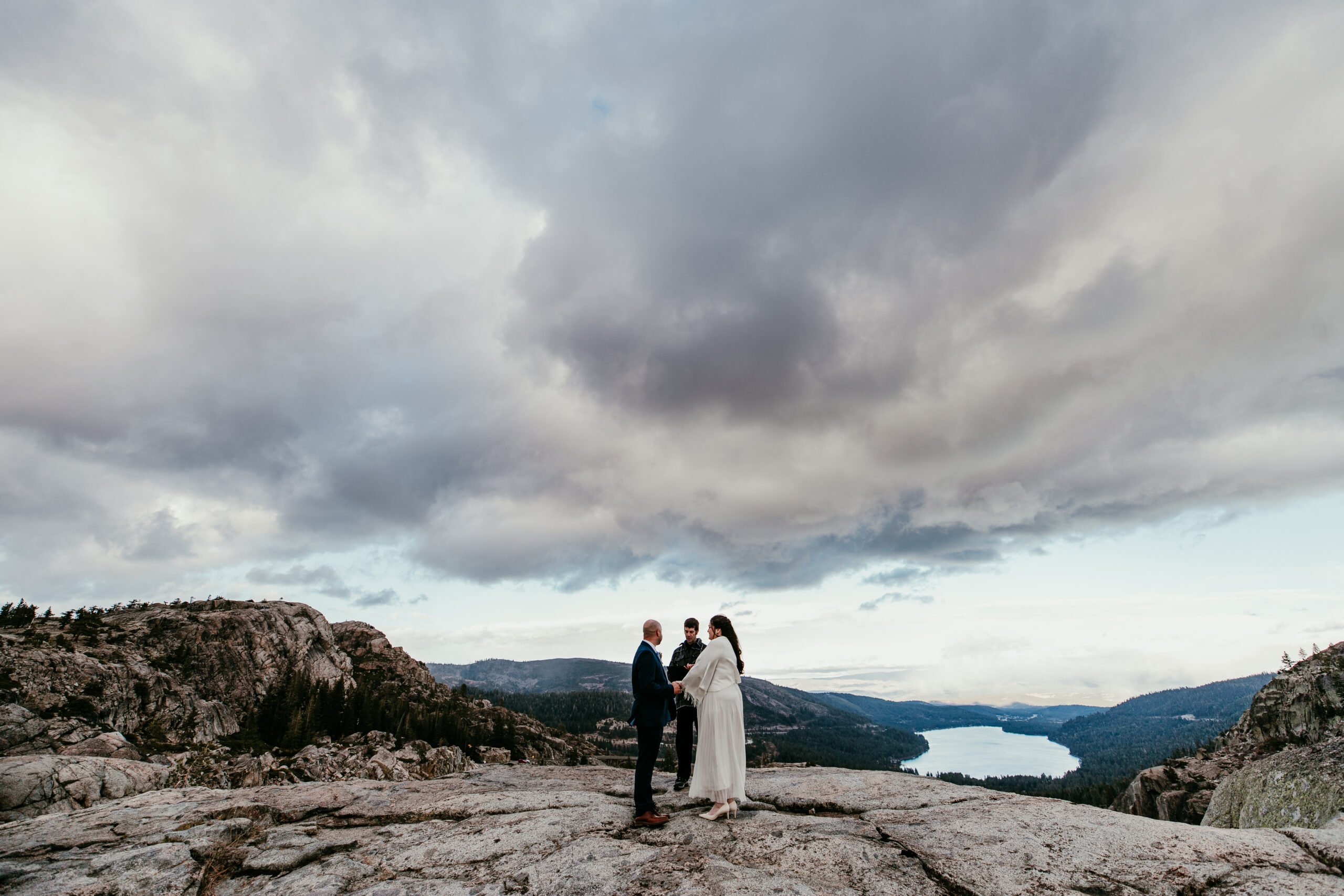
Thinking About Self-Solemnizing Your Elopement?
If you’re dreaming of a laid-back, intimate elopement — especially in California, Lake Tahoe, or Yosemite — I help couples figure out exactly what’s legal, what’s required, and what will make the day feel the most like you.
Important Things to Know Before You Decide
Before you choose where to self-solemnize, there are a few things to keep in mind:
- Laws can vary by state (and sometimes by county)
- Marriage licenses still need to be properly signed and returned
- Witness requirements are different depending on location
- In California, the type of license you choose matters
This is usually the part couples feel unsure about, but once you know what to expect, it’s actually way more straightforward than it sounds.
This is also where having someone guide you through it makes everything feel a lot easier.
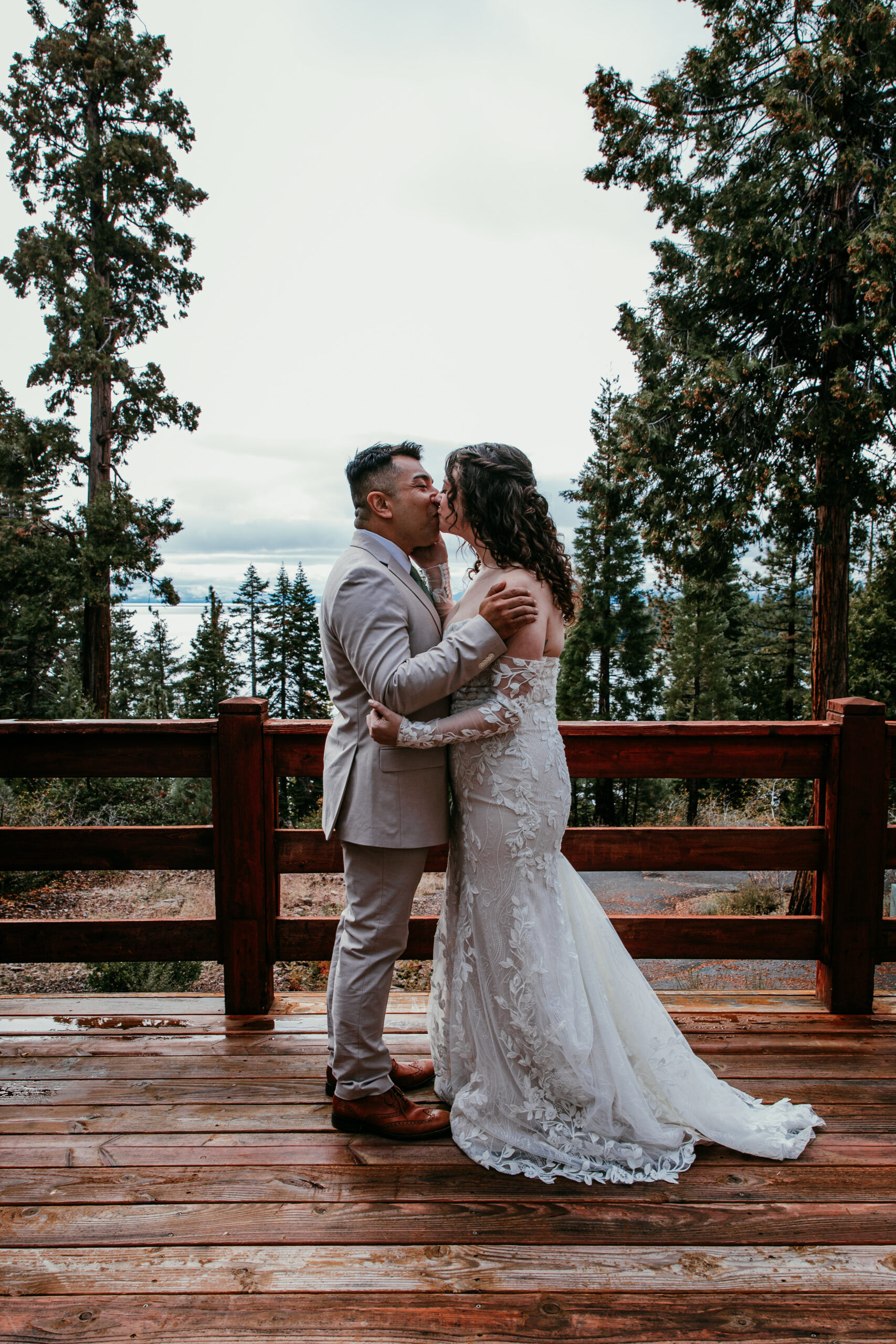
If you’re considering a self-solemnizing ceremony, you might also want to read my guide on how to elope in California or explore the best places to elope in Lake Tahoe or Yosemite National Park.
Most couples I work with had no idea this was even an option until they found this page.
If you’re dreaming about an elopement that feels relaxed, intentional, and actually you—I’ll help you figure out exactly where to go, what you need, and how to make it all happen.
Helpful Elopement Resources
How to Elope in California
Best Places to Elope in California
How to Elope in Lake Tahoe
Why Couples Are Eloping: A More Intentional Way to Get Married
Mountain Elopement | Epic California Mountain Wedding Inspiration
Eloping Then Having a Wedding: How to Do Both and Love Every Minute
How to Include Your Dog in Your Elopement

I'm Kristin Smith
hey there!
California Elopement & Intimate Wedding Photographer, Planner & Designer
Helping you create a laid-back, intentional elopement in epic locations, without the stress.
learn more about me
elopement
packages and pricing
get in touch with me


